ABOUT THE ARTIST
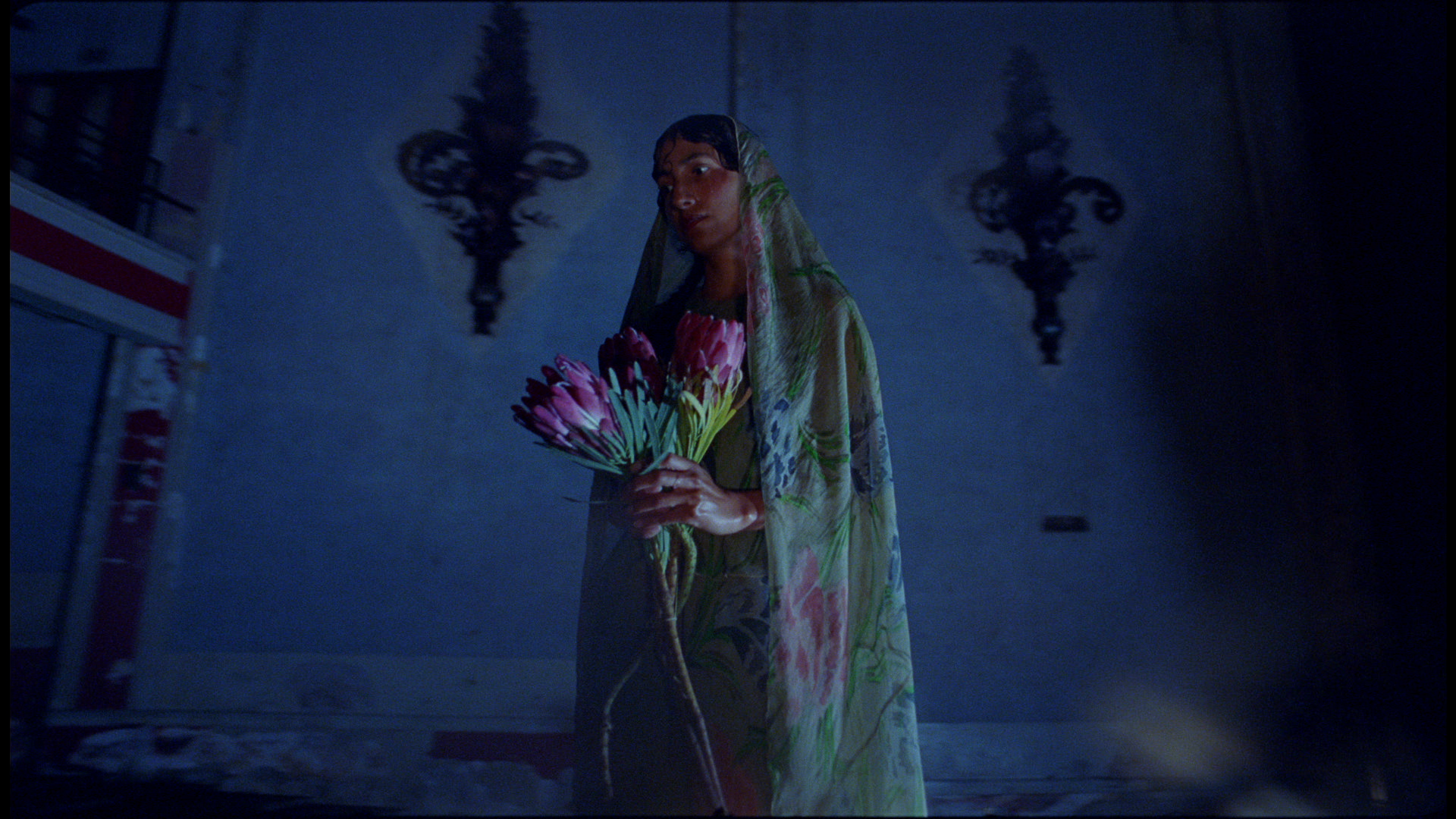
Kya Lou is a multi-media artist working in Los Angeles. She graduated from UCLA and uses her experience in sculpture and photography to inform her work as a colorist. An early student project, “What Do You Do ‘Fore It’s Gone?” examines the effects of gentrification in the Black neighborhoods in South Los Angeles by overlapping materials and mediums, bringing together textiles, audio, video, and still images. In 2017, Lou began development of Coloured Only, a post-production color studio, which is committed to “proposing radical alternatives within post production.”
Not only has Lou’s more recent work been screened at the Blackstar Film Festival, La Biennale di Venezia, The Whitney Biennial, Tribeca Festival, as well as The International Film Festival Rotterdam, but several projects she has been a part of have gone on to be nominated for awards: A Love Song for Latasha (2019) was nominated for the Best Documentary Short Oscar in 2021; Pachinko (2022) garnered an Emmy nomination for Outstanding Title Design, a Pena de Prata nomination for Best Opening Credits, an OFTA nomination for Best Title Design; and If I Go, They Will Miss Me (2022) won the Short Film Grand Jury Prize at Sundance.
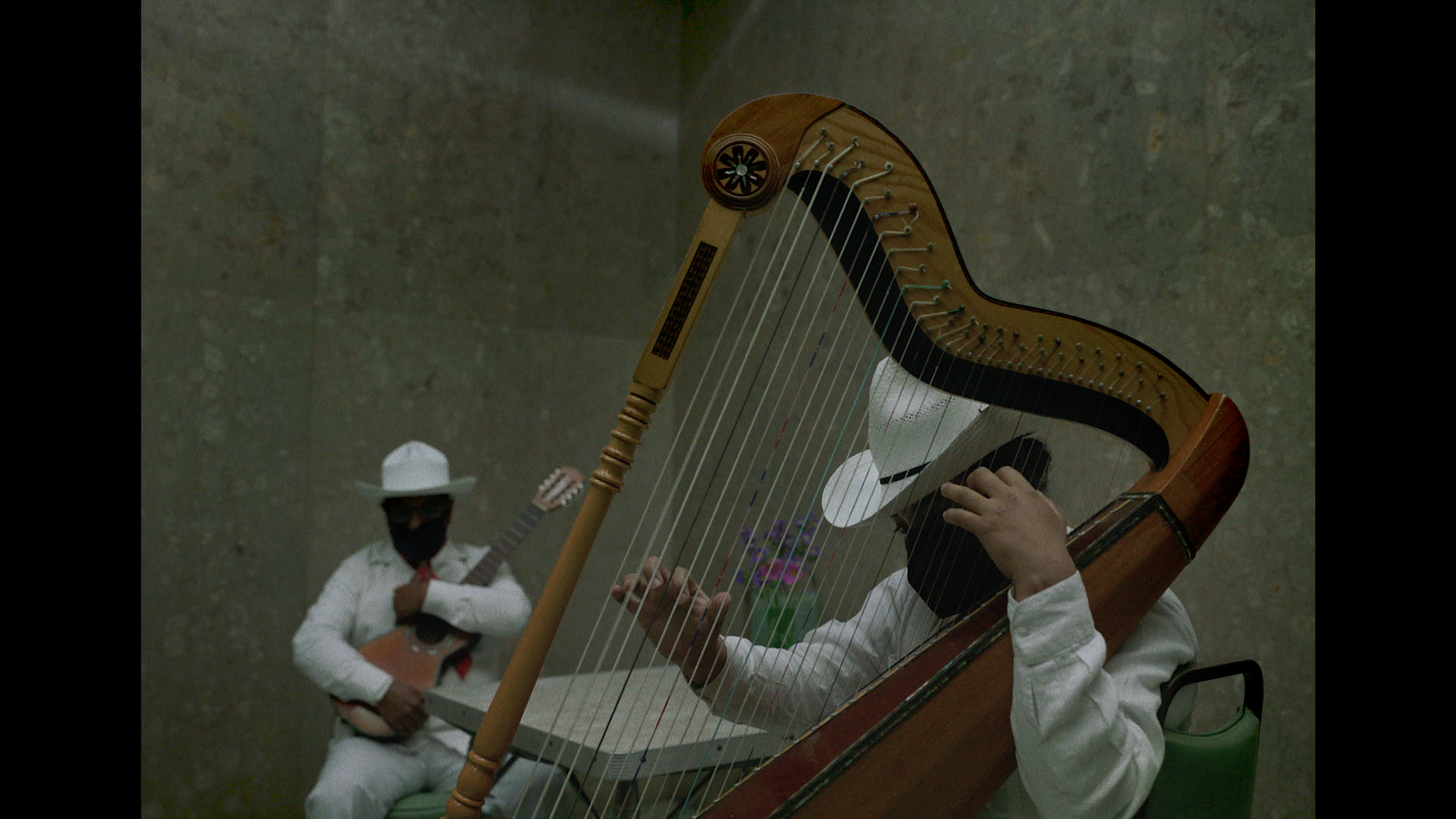
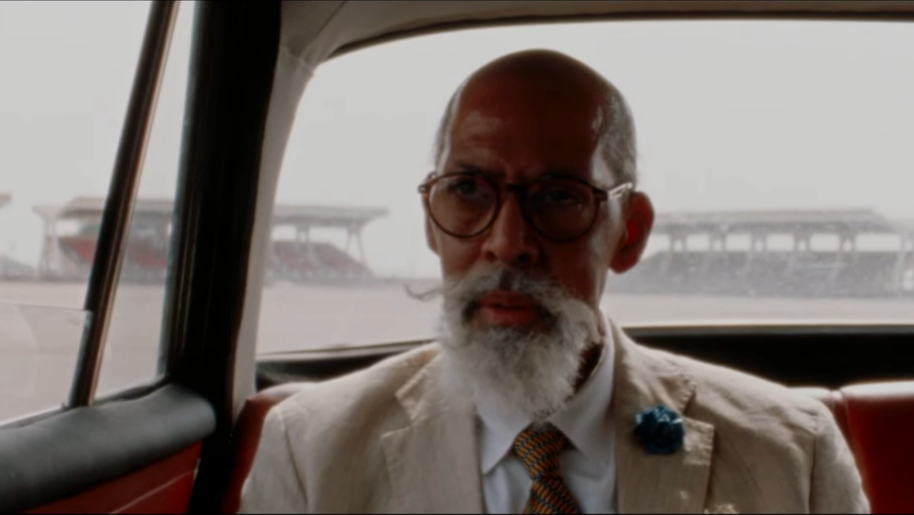
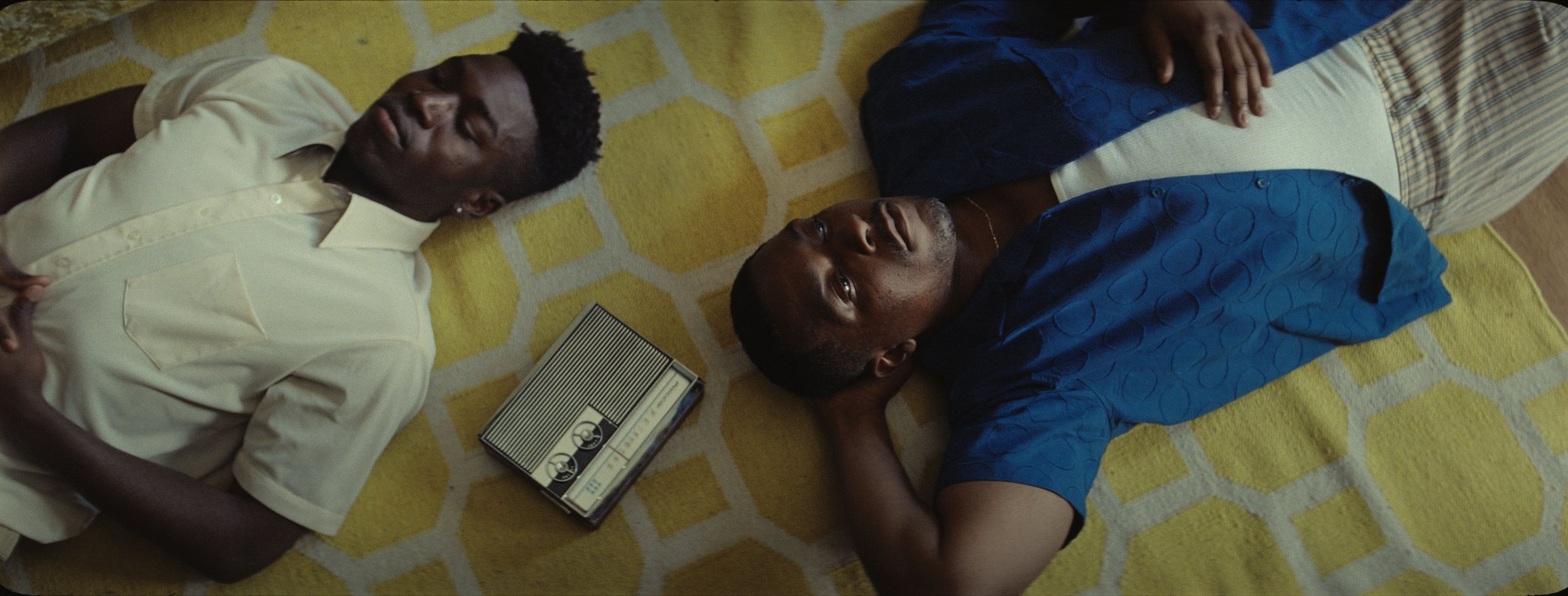
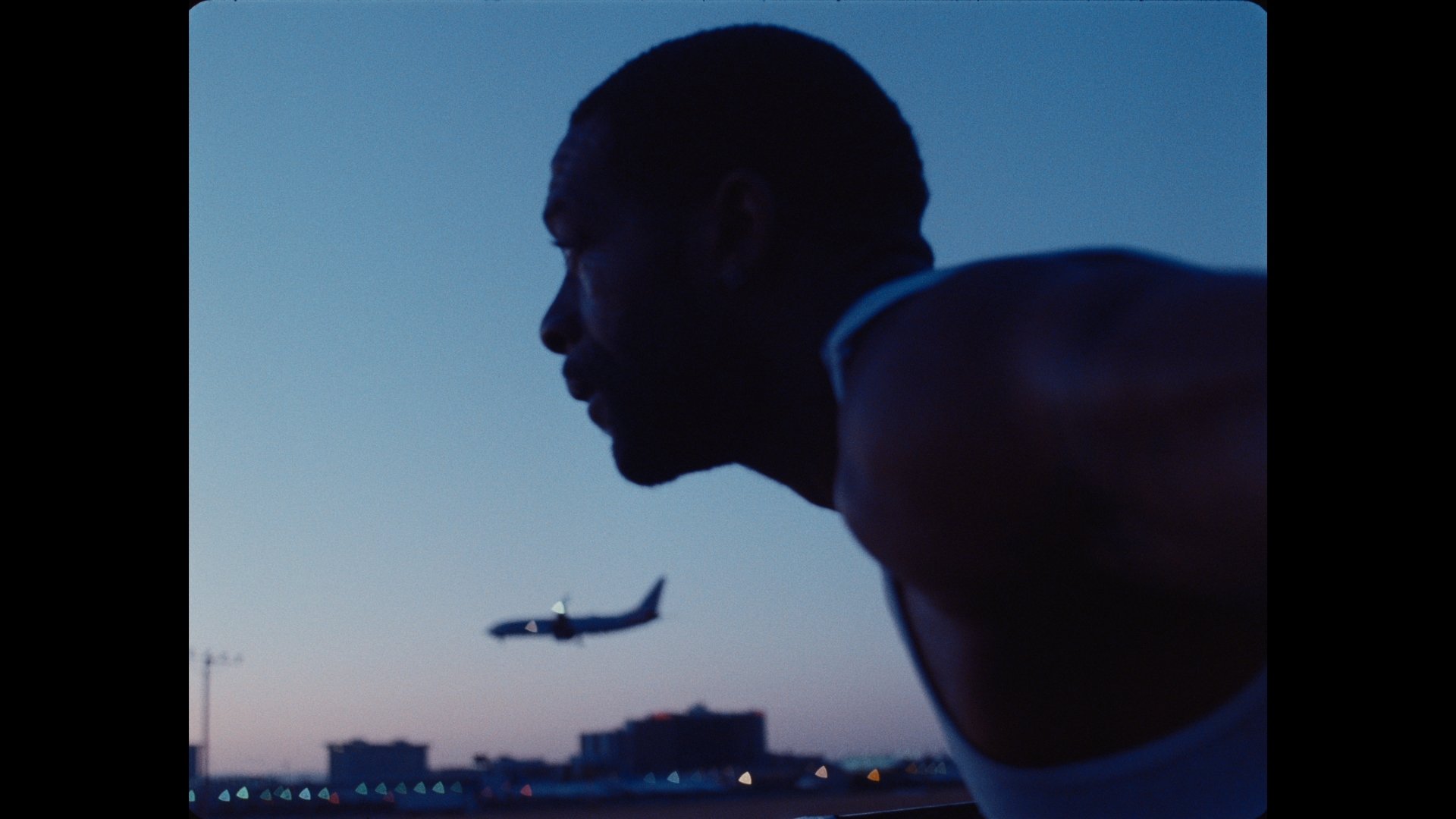
In addition to her film work, Lou also has a growing body of commercial projects and has worked with Adidas, Telfar, Miu Miu, and Calvin Klein, among others. Lou has collaborated with Kahlil Joseph on BLKNWS®, an ongoing conceptual news program.. Across Lou’s journalistic, artistic, and commercial works, there is a distinct focus on geographies, movement, and how space is constituted by color. In earlier interviews and artist talks, Lou emphasizes the influence of photography on her work and the ways in which many of her projects are shaped by her desire to learn the geographies, both spatial and historical, that she lives in. Rather than straightforward documentation, Lou’s color work gestures towards processes of locating community history and knowledge.


SELECTED WORKS
Colorist
Time II: Unfinished Business (2025), dir. Fox Rich
Anino (2025), dir. M.G. Evangelista
BLKNWS: Terms & Conditions (2025), dir. Kahlil Joseph
Bloomed in the Water (2024), dir. Joanne Mony Park
Grace (2024), dir. Natalie Jasmine Harris
The Wanda Coleman Songbook (2024), dir. Cauleen Smith
New Blue Sun (Listening) (2023), dir. Terence Nance
We Are Ayenda (2023), dir. Amber Fares
House Comes with a Bird (2022), dir. Janicza Bravo
HAWA: Gemini (2022), dir. Courtney Sofiah Yates
The New York Times: Independent Journalism (2022), dir. Questlove
Lila Drew: Bad Juice (2022), dir. Vincent Haycock
For Love & Country (2022), dir. Joshua Kissi
If I Go They Will Miss Me (2022), dir. Walter Thompson-Hernandez
Toro y Moi: Déjà Vu (2022), dir. Justin Morris
Olivia Rodrigo: Good 4 u (2021), dir. Petra Collins
Jennifer Hudson: Here I Am (2021), dir. Haley Elizabeth Anderson.
The Light of Black Sunlight (2021), directors Grace Wales Bonner and Jeano Edwards
Soñadora (2021), dir. Stacy Pascal Gaspard
A Love Song for Latasha (2019), dir. Sophia Nahli Allison
Colorist — Commercial
Miu Miu: Women’s Tales #23 (2022)
WalkGood LA x OnRunning: “Cloudnova Form” (2022)
Credit Karma: “Heidi Henderson” (2022)
Square, “Open Everywhere” (2022)
Adidas, “AdiClub” (2022)
Duracell, “Mastermind” (2022)
Credit Karma: “Pat on the Back” (2022)
Adidas, “Jessamyn” (2022)
Beats, “Kayvon” (2022)
Crypto, “Bravery is a Process” (2022)
Adidas, “Hoyeon” (2022)
Telfar, “Telfar x Team Liberia” (2021)
Calvin Klein, “Sage & Vinson” (2021)
Calvin Klein, “Megan Thee Stallion” (2021)
Adidas, “Wales Bonner x Adidas SS21” (2021)
Snapchat, “Inclusive Camera” (2021)
Editor
BLKNWS®(2021), dir. Kahlil Joseph
Selected Interviews
Kae, Darol Olu. “Different Shades of Metadata: an interview with Kya Lou.” Seen, Summer, 2022. https://www.blackstarfest.org/seen/read/issue004/kya-lou-interview-colorist/#seen-toc.
Braunschweiler, Marco. “Marco’s Island w/Kya Lou.” NTS Radio, April 27, 2018. https://www.nts.live/shows/marcos-island/episodes/marcos-island-27th-april-2018.
James, Randy. “Kya Lou asks, ‘What Do You Do ‘Fore It’s Gone?’” FEM, April 27, 2017. https://femmagazine.com/kya-lou-asks-what-do-you-do-fore-its-gone/.
Artist Talk
Art + Practice. “Documenting Los Angeles: A Conversation with Alima Lee and Kya Lou.” Soundcloud, April 25, 2019. https://soundcloud.com/user-182764493/documenting-los-angeles-a-conversation-with-alima-lee-and-kya-lou-042519.


THEORETICAL CONTEXTS
1. Photographic and analog practices in film
Smith, Shawn Michelle. At the Edge of Sight. Durham: Duke University Press, 2013.
Barthes, Roland. Camera Lucida. London, England: Vintage Classics, 1993.
Lastra, James. “From the Captured Moment to the Cinematic Image: A Transformation in Pictorial Order,” In The Image in Dispute: Art and Cinema in the Age of Photography, edited by Dudley Andrew. Austin: University of Texas Press, 1997.
2. Color
Weiberg, Birgit. “Functional Colors: The Varied Applications of Complementary Hues,” Film History 29, no. 2 (2017): 91–107. https://doi.org/10.2979/filmhistory.29.2.04.
Misek, Richard. Chromatic Cinema. Malden: Wiley-Blackwell, 2010.
Sarah Street. “The Colour Dossier Introduction: the mutability of colour space,” Screen 51, no. 4 (Winter 2010): 379–382. https://doi.org/10.1093/screen/hjq047.
Coates, Paul. “On the Dialectics of Filmic Colors (in General) and Red (in Particular): ‘Three Colors: Red, Red Desert, Cries and Whispers’, and ‘The Double Life of Véronique.’” Film Criticism 32, no. 3 (2008): 2–23. http://www.jstor.org/stable/24777392.
Price, Brian. “Color, the Formless, and Cinematic Eros.” Framework: The Journal of Cinema and Media 47, no. 1 (2006): 22–35. http://www.jstor.org/stable/41552446.
Neale, Steve. “Color and Film Aesthetics.” In The Film Cultures Reader, edited by Graeme Turner. New York: Routledge, 2002: 85-94.
Dyer, Richard. “Lighting for Whiteness.” In The Film Cultures Reader, edited by Graeme Turner. New York: Routledge, 2002: 95-106
3. Urban spaces and communal history
Hawthorne, Camilla. "Black Matters are Spatial Matters: Black Geographies for the Twenty‐first Century." Geography Compass 13, no. 11 (2019): e12468.
Summers, Brandi Thompson. Black in place: The Spatial Aesthetics of Race in a Post-Chocolate City. UNC Press Books, 2019.
Birks, Chelsea. “Objectivity, Speculative Realism, and the Cinematic Apparatus.” Cinema Journal 57, no. 4 (2018): 3–24. https://www.jstor.org/stable/26585569.
Brown, Adrienne. The Black Skyscraper: Architecture and the Perception of Race. JHU Press, 2017.
Brundson, Charlotte. “The Attractions of the Cinematic City.” Screen 53, no. 3 (Autumn 2012): 209–227.
McKittrick, Katherine. Demonic Grounds: Black Women and the Cartographies of Struggle. University of Minnesota Press, 2006.
Bruno, Giuliana. “Site-Seeing: The Cine City.” In Atlas of Emotion: Journeys in Art, Architecture, and Film. London: Verso, 2002.
Donald, James. “Light in Dark Spaces: Cinema and City.” In Imagining the Modern City. Minneapolis: University of Minnesota Press, 1999.